
ISZ · Independent technical assessment
PV periodic inspection
Recurring inspection of your PV system with documented findings and a classification of its current condition.
During operation, systems change as a result of ageing, environmental influences, interventions and the replacement of components. We support operators and asset managers in systematically recording anomalies and deriving the further need for inspection and action.
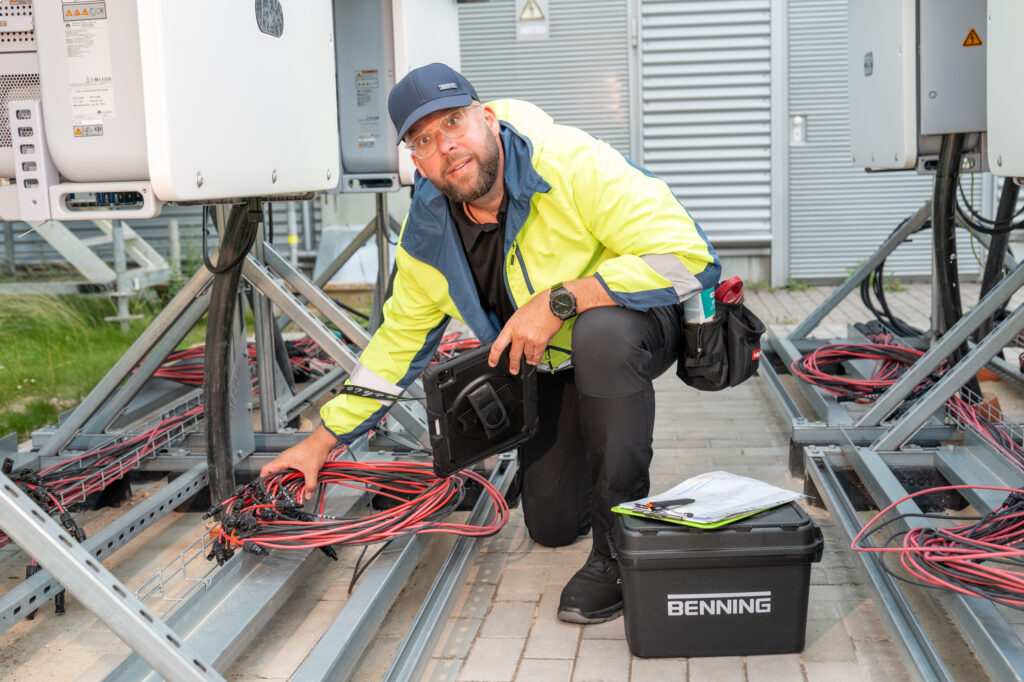
Reasons for inspection
Tracking system condition over the operating period
Periodic inspections create a documented basis for technical support. Previous findings and changes since the last examination are taken into account.
01
Inspecting regularly
Recurring examinations make the condition of accessible components traceable. An agreed inspection plan makes organisation during operation easier.
02
Assessing changes
After repairs, modifications or new anomalies, a targeted inspection of the areas concerned may be necessary. Scope and reason are clarified in advance.
03
Comparing portfolios
Uniform report structures help with several sites in assigning findings and tracking open points. Results are only comparable where inspection conditions are sufficiently similar.
Scope of services
Scope of inspection to suit the existing system
The starting point is the existing documentation, earlier findings and the current operating conditions. The following can be agreed:
- Review of earlier inspection reports and documented changes
- Visual inspection of accessible parts of the system and components
- Electrical tests and measurements to the defined extent
- Supplementary thermographic examination under suitable conditions
- Comparison with open earlier findings and documentation of newly identified anomalies
Result
An inspection report for further processing
The report contains the areas examined, the test methods applied and the relevant results. Anomalies are classified and remaining limits of the inspection are named. Where reliable earlier results exist, changes can be described. Further examinations and technical measures can be derived from this.
Inspection intervals and scope are not set at the same flat rate for every system. Decisive factors include the type of system, its use, its condition, earlier findings and the requirements applicable in the individual case.
Working together
Integrating inspections into operations in a plannable way
01
Recording the current state
We review earlier reports and clarify changes, access and operational boundary conditions. The specific inspection assignment builds on this.
02
Agreeing the date
Necessary switching operations, the availability of contact persons and suitable measurement conditions are coordinated with the operator.
03
Following up results
The report supports the processing of the points identified. For recurring assignments, the structure and assignment of the findings can be continued.
Your enquiry
Is a periodic inspection due?
Details of the location, system size, commissioning and last inspection are helpful, as is the existing inspection report.
Frequently asked questions
Questions about periodic inspections
At what intervals should a PV system be inspected?
A reliable determination depends on the specific system and the requirements that apply to it. Factors to be considered include operating conditions, manufacturer specifications, existing findings and the operator’s inspection concept. We clarify with you the reason for and scope of the upcoming inspection; no general interval is derived from this.
Does the system have to be switched off for the inspection?
That depends on the test methods chosen. Some of the examinations take place during operation; other measurements may require switching operations or a temporary interruption. These steps are agreed in advance with the responsible operator.
Does the periodic inspection replace maintenance?
No. The inspection records and assesses the condition within the agreed scope. Maintenance, repairs and ongoing technical operations management are separate tasks. The inspection report can serve the responsible companies as a basis for further measures.